Cinnamon Rolls — Soft, Fluffy, and Bakery-Style at Home
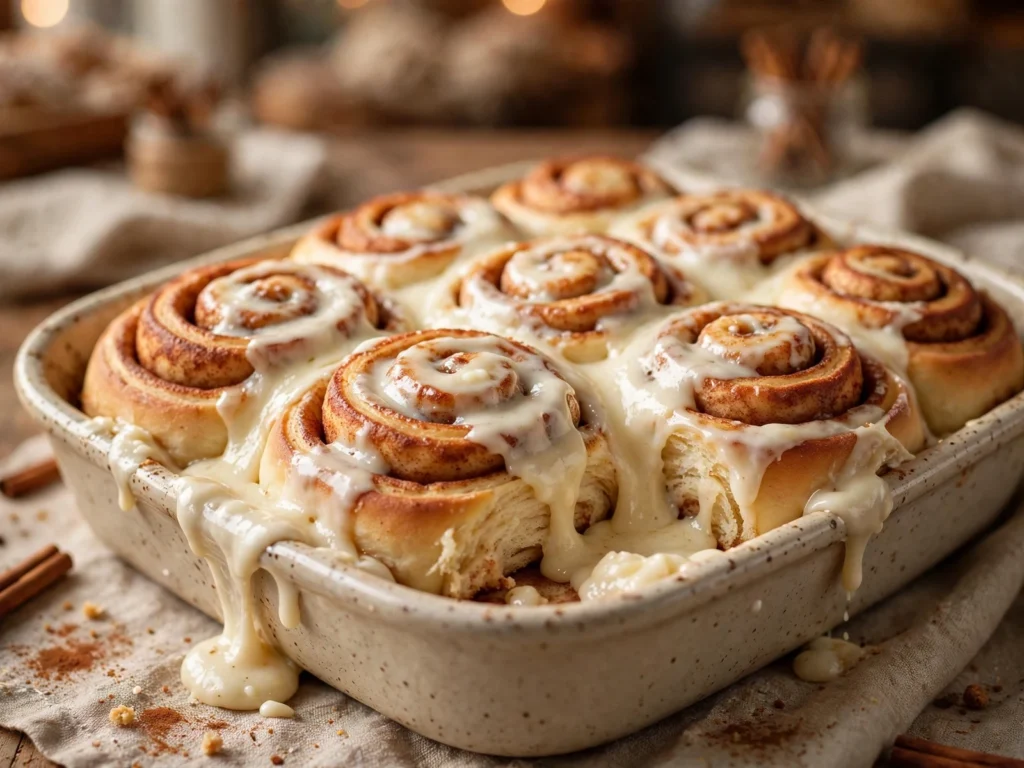
These homemade cinnamon rolls are soft, fluffy, and swirled with a gooey brown-sugar-cinnamon filling, all under a thick layer of cream cheese frosting. You make a simple enriched dough, roll it up with the filling, and bake it into pillowy, bakery-style rolls — no special equipment required. They’re the ultimate weekend breakfast or holiday morning treat, and far better than anything from a can.
Recipe At a Glance
| Prep time | 30 minutes (plus about 2 hours rising) |
| Cook time | 22 minutes |
| Total time | About 2 hours 50 minutes |
| Servings | 12 rolls |
| Difficulty | Moderate |
| Cuisine | American |
| Key method | Enriched yeast dough, rolled with cinnamon filling and baked |
Make and knead a soft dough, let it rise, roll it with butter and cinnamon sugar, slice, proof again, and bake. Frost while warm for the best gooey result.
In This Post
Why You’ll Love These Cinnamon Rolls
- Soft and fluffy — a tender, pillowy crumb, not dense or dry.
- Gooey cinnamon centers with a rich brown-sugar filling.
- Tangy cream cheese frosting that melts into every swirl.
- No special equipment — you can make them entirely by hand.
- Make-ahead friendly — perfect for prepping the night before.
- Better than store-bought with simple, real ingredients.
What Makes These Cinnamon Rolls Different
The difference is a properly soft dough and softened (not melted) butter in the filling. A slightly tacky, well-risen dough bakes up light and fluffy instead of heavy, and spreading softened butter — rather than melted — keeps the cinnamon sugar in place instead of leaking out into a puddle. The result is rolls that are tender all the way through with a thick, gooey swirl in every bite.
Ingredients You’ll Need
Ingredient Notes
- Warm milk: Activates the yeast and enriches the dough for a soft crumb. Warm it to about 110°F — warm to the touch, not hot, which would kill the yeast.
- Yeast: The rise. Instant or active dry both work; instant can be mixed straight in, while active dry benefits from blooming in the warm milk first.
- Granulated sugar: Feeds the yeast and lightly sweetens the dough.
- Butter: Enriches the dough and forms the filling. Use it melted in the dough and softened (spreadable, not melted) in the filling.
- Eggs: Add richness and structure for a tender, sturdy roll.
- All-purpose flour: The structure. Add it gradually — too much makes the rolls dense and dry, so stop when the dough is soft and just slightly tacky.
- Brown sugar and cinnamon: The filling. Brown sugar melts into a gooey, caramel-like swirl; use plenty of cinnamon for bold flavor.
- Cream cheese, powdered sugar, and vanilla: The frosting. Standard vanilla extract is alcohol-based (most bakes off, but it’s not alcohol-free as poured); use an alcohol-free vanilla or vanilla bean paste if that matters for your kitchen.
Substitutions & Swaps
- Dairy-free: Use plant milk, vegan butter, and dairy-free cream cheese (see Variations).
- Gluten-free: Use a 1:1 gluten-free baking flour with xanthan gum (see Variations).
- No cream cheese? A simple powdered-sugar glaze (powdered sugar, milk, vanilla) works instead.
- Buttermilk in place of milk gives an even softer, slightly tangy crumb.
- Bread flour can replace some of the all-purpose flour for a chewier, sturdier roll.
- No stand mixer? Knead by hand — it just takes a few extra minutes.
Equipment You’ll Need
- Large mixing bowl (or stand mixer with dough hook)
- Rolling pin
- 9×13-inch baking dish
- Sharp knife or unflavored dental floss (for cutting)
- Instant-read thermometer (optional, for doneness)
How to Make Cinnamon Rolls
Step 1 — Activate the Yeast
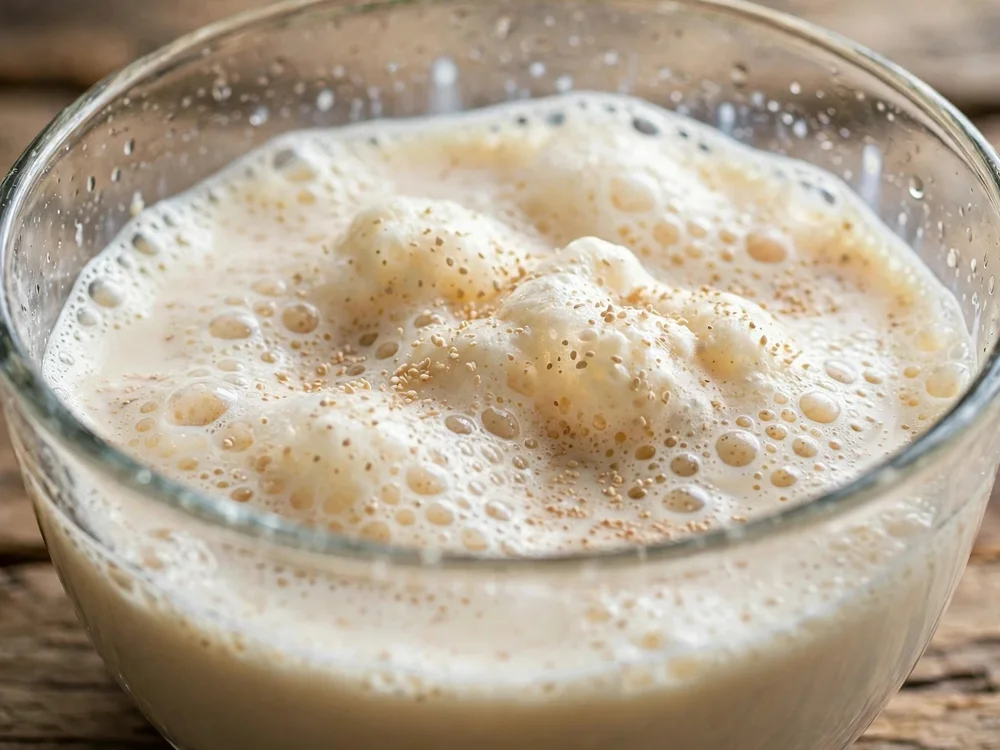
Warm the milk to about 110°F and stir in a spoonful of the sugar and the yeast. Let it sit 5 minutes until foamy (skip the wait if using instant yeast). Foam means the yeast is alive and ready.
Step 2 — Make the Dough
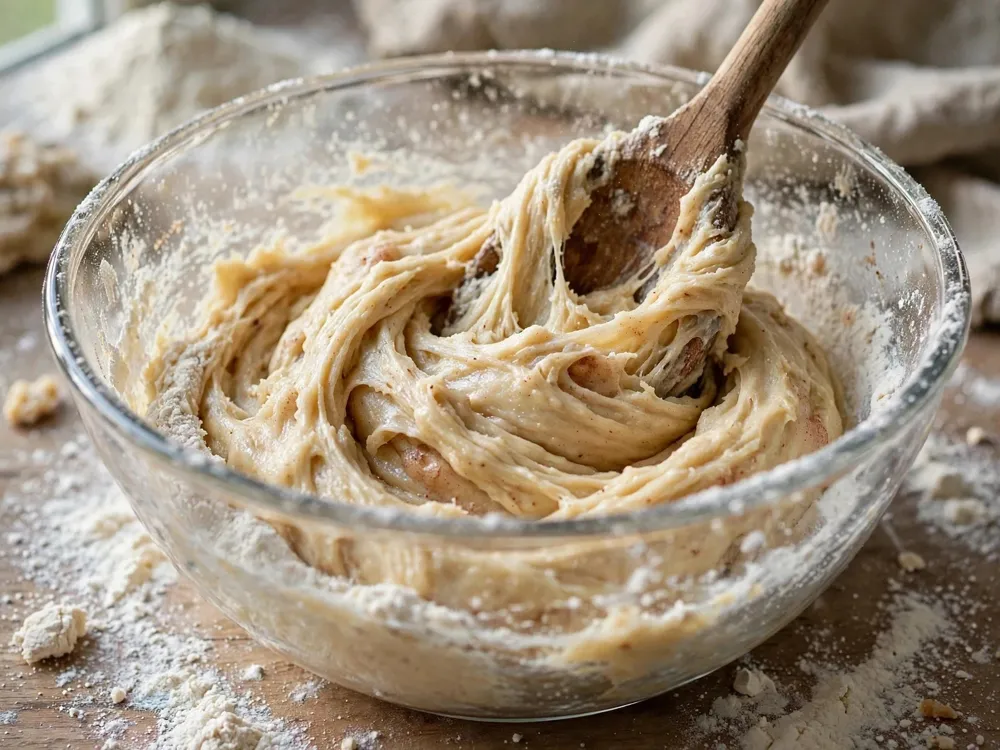
Mix in the remaining sugar, melted butter, and eggs, then add the salt and flour gradually. Stop adding flour once the dough comes together soft and slightly tacky — it should not be dry or stiff.
Step 3 — Knead
Knead for 5–8 minutes, by hand or with a dough hook, until smooth and elastic. The dough is ready when it springs back slowly and feels soft and supple, not sticky.
Step 4 — First Rise
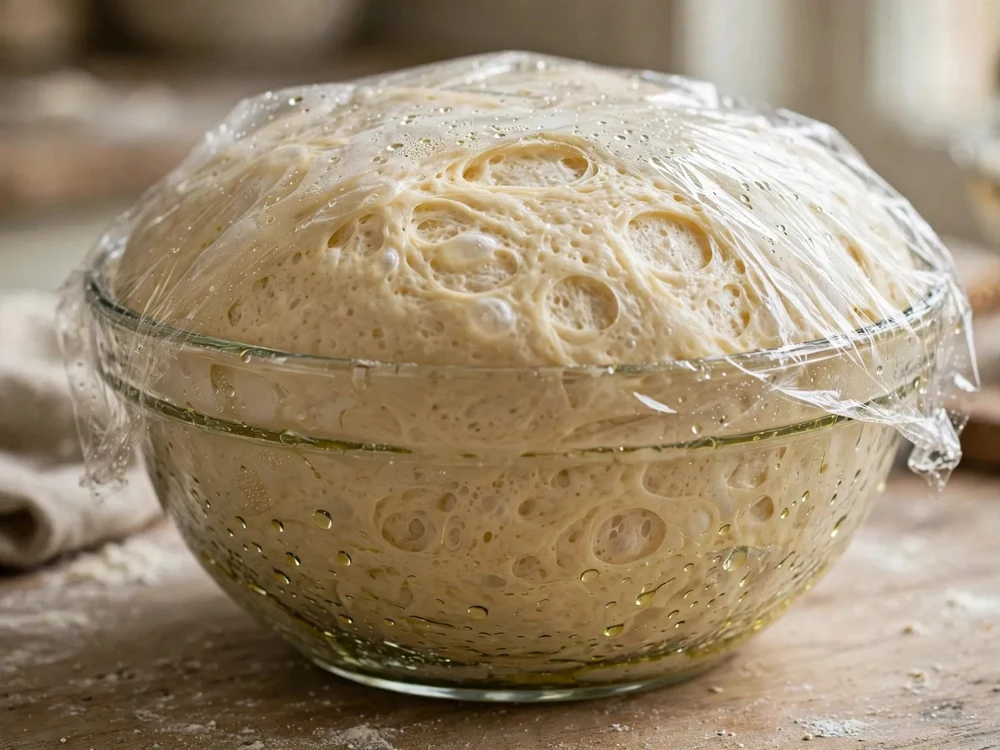
Place the dough in a greased bowl, cover, and let it rise in a warm spot for about 1 to 1.5 hours, until doubled in size. A warm, draft-free spot is key for a good rise.
Step 5 — Roll and Fill
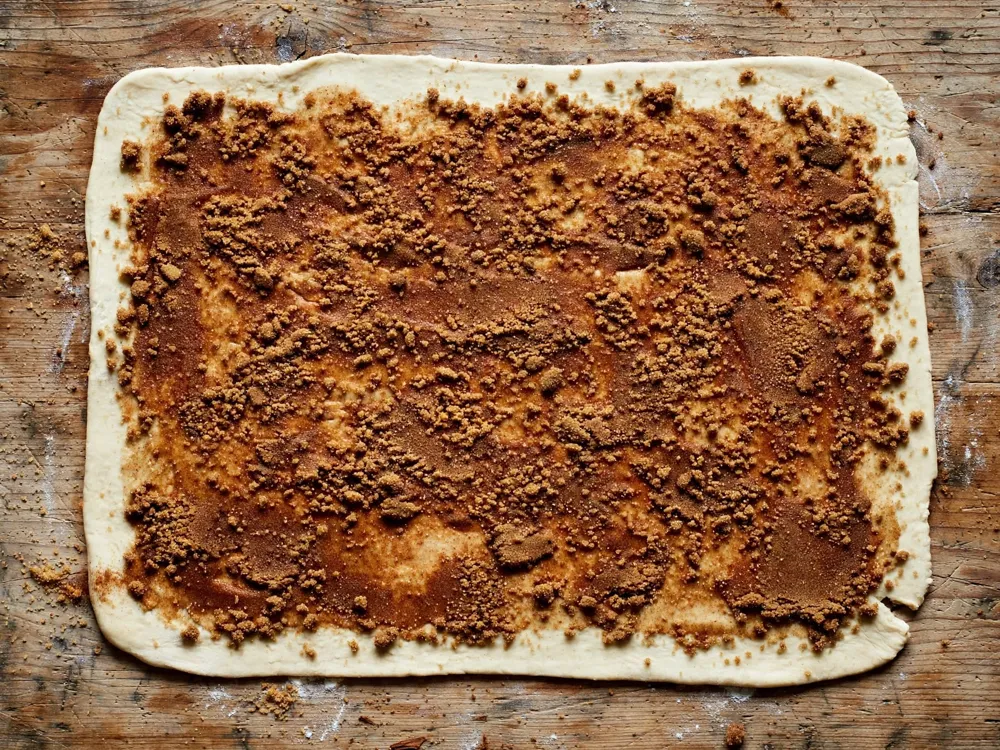
Roll the dough into a roughly 15×9-inch rectangle. Spread the softened butter over it, then sprinkle evenly with the brown sugar and cinnamon, right to the edges.
Step 6 — Shape and Cut
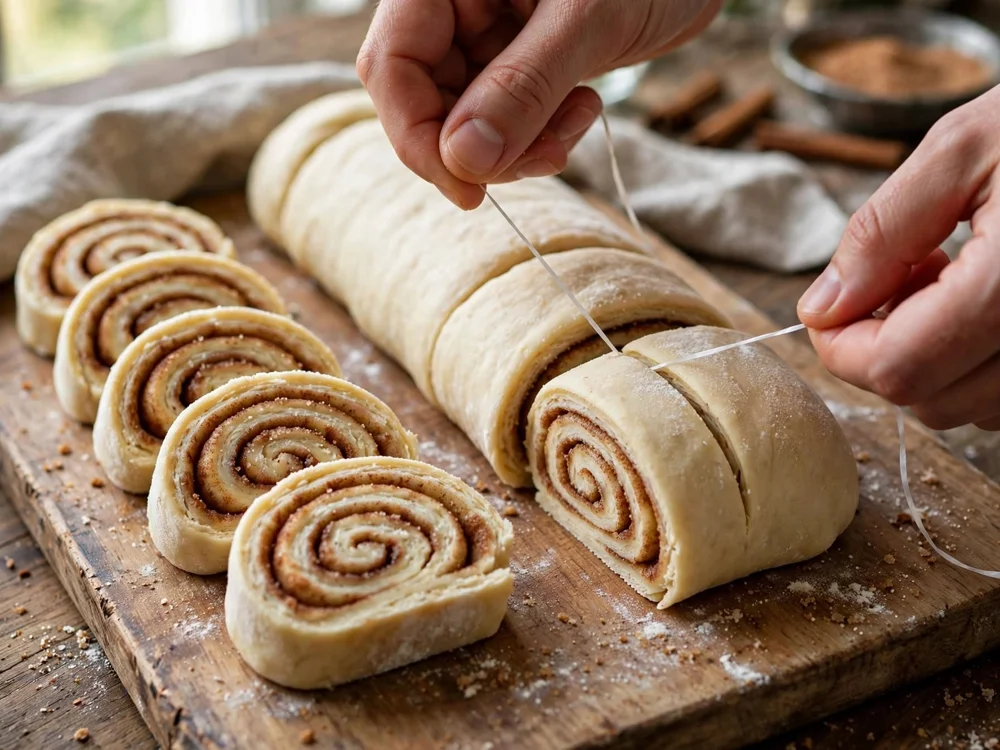
Roll the dough up tightly from the long side into a log. Cut into 12 even rolls using a sharp knife or a length of dental floss slid underneath — floss gives the cleanest cut without squishing.
Step 7 — Second Rise
Arrange the rolls in a greased 9×13 dish, cover, and let them rise 30–45 minutes, until puffy and touching. This second proof is what makes them light and fluffy.
Step 8 — Bake
Bake at 350°F for 20–25 minutes, until golden on top. For certainty, the center should read about 190°F. Don’t overbake, or they’ll dry out.
Step 9 — Frost
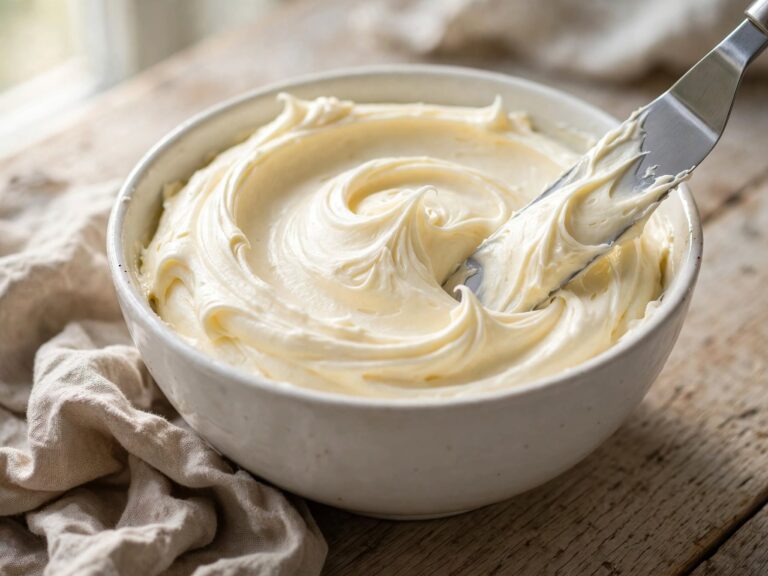
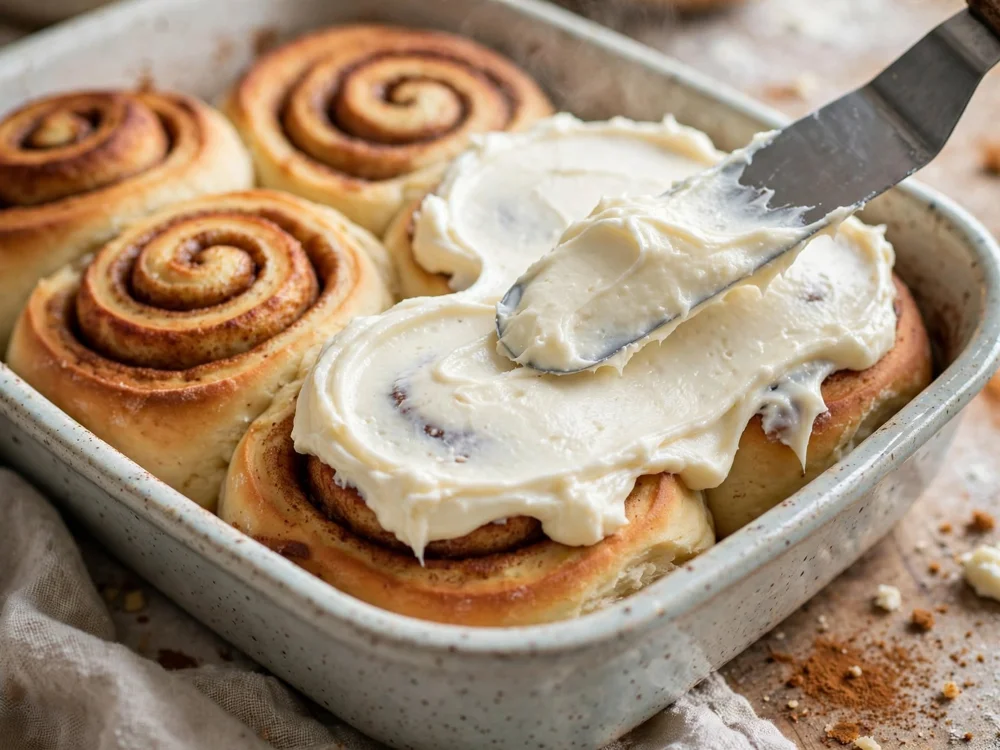
Beat the cream cheese, softened butter, powdered sugar, and vanilla into a smooth frosting. Spread it over the rolls while they’re still warm so it melts into the swirls.
How Do You Make Cinnamon Rolls Soft and Fluffy?
You make cinnamon rolls soft and fluffy by keeping the dough slightly tacky, letting it rise fully twice, and not overbaking. The most common reason rolls turn out dense is too much flour — a stiff, dry dough can’t rise into a light crumb. Add just enough flour for a soft, supple dough, give both rises their full time, and pull the rolls as soon as they’re set.
Three keys to a pillowy texture:
- Don’t over-flour. The dough should be soft and slightly tacky, never dry or tight.
- Let it rise fully, twice. Under-proofed dough bakes up dense; both rises build the airy structure.
- Bake just until done. Around 190°F in the center, golden but not browned — overbaking dries them out.
Expert Tips for the Best Cinnamon Rolls
- Check your yeast. If it doesn’t foam in warm milk, it’s dead — start over so your rolls actually rise.
- Keep the dough soft. Resist adding extra flour; a tacky dough makes tender rolls.
- Use softened, not melted, butter in the filling so the cinnamon sugar stays put.
- Cut with dental floss for clean, un-squished rolls.
- Proof in a warm spot. A turned-off oven with the light on is ideal for a good rise.
- Frost while warm for gooey rolls, or once cool if you want the frosting to stay thick on top.
The Secret to Gooey Cinnamon Roll Centers
The secret is softened butter and plenty of brown sugar, sealed tightly into the roll. As the rolls bake, the brown sugar melts and combines with the butter into a rich, caramel-like filling that stays gooey in the center. Using softened butter — spreadable but not liquid — keeps that mixture in place, where melted butter would run out and leave the rolls dry.
Rolling tightly and not overbaking finish the job. A snug roll traps the filling in defined layers so it caramelizes into gooey swirls, and pulling the rolls the moment they’re set keeps both the dough and the filling soft. Softened butter, a generous cinnamon-sugar layer, a tight roll, and a careful bake — that’s the gooey center everyone digs for.
Delicious Variations & Add-Ins
Overnight Cinnamon Rolls
Assemble the rolls through the second shaping, cover, and refrigerate overnight. In the morning, let them come to room temperature and finish proofing while the oven heats, then bake fresh.
Apple Pie Cinnamon Rolls
Add a layer of finely diced, cinnamon-tossed apples over the filling before rolling for a cozy, fruit-filled twist.
Quick No-Yeast Cinnamon Rolls
Short on time? Make a baking-powder dough instead of yeast for cinnamon rolls in about 30 minutes — less fluffy, but fast and still delicious.
Dairy-Free / Vegan Cinnamon Rolls
Use plant milk, vegan butter, and dairy-free cream cheese. The dough and filling behave the same way.
Gluten-Free Cinnamon Rolls
Use a 1:1 gluten-free baking flour that contains xanthan gum. The dough will be softer to handle, so chill it briefly before rolling.
What to Serve With Cinnamon Rolls
- Hot coffee or espresso — the classic pairing that cuts the sweetness.
- Chai or spiced tea — its warm spices echo the cinnamon.
- Fresh fruit or berries — a bright, light contrast to the rich rolls.
- A cold glass of milk — simple and always right.
- A brunch spread with eggs — balance the sweetness with something savory. See more breakfast & brunch recipes.
How to Store Cinnamon Rolls
Room Temperature
Store frosted rolls covered at room temperature for up to 2 days. Warm them briefly in the microwave to bring back that fresh-baked softness.
Fridge
Refrigerate, covered, for up to 5 days, especially once frosted with cream cheese. Bring to room temperature or warm gently before serving, since cold rolls firm up.
Freezer
Freeze baked rolls (frosted or unfrosted) for up to 2 months. Thaw at room temperature and warm before serving. You can also freeze unbaked, shaped rolls — thaw and let them finish rising before baking.
Make-Ahead Instructions
Cinnamon rolls are ideal for making ahead. For a fresh-baked breakfast, assemble the rolls the night before, cover, and refrigerate through the second shaping — in the morning, let them warm and finish proofing while the oven heats, then bake. You can also freeze shaped, unbaked rolls; thaw overnight in the fridge, proof until puffy, and bake fresh.
Troubleshooting Common Problems
Why Didn’t My Cinnamon Roll Dough Rise?
The yeast was dead or the environment was too cold. Always check that the yeast foams in warm (not hot) milk before mixing, and proof the dough somewhere warm and draft-free. Milk that’s too hot kills yeast, while a cold room slows the rise to a crawl.
Why Are My Cinnamon Rolls Dry?
Too much flour or overbaking. Keep the dough soft and slightly tacky, measure flour by spooning and leveling (or by weight), and pull the rolls as soon as the centers reach about 190°F. Frosting while warm also adds moisture back.
Why Is the Center Raw or Doughy?
The rolls were underbaked or cut too large. Bake until the centers are set and read about 190°F, and cut 12 even rolls so they cook through at the same rate. If the tops brown before the centers set, tent loosely with foil.
Nutrition Information
Per roll (based on 12 rolls, with frosting — estimate):
- Calories: ~420
- Fat: ~16 g
- Carbohydrates: ~64 g
- Sugar: ~34 g
- Protein: ~6 g
Values are an estimate and will vary with your exact ingredients, roll size, and amount of frosting.
Frequently Asked Questions
Can I make cinnamon rolls ahead of time?
Yes. Assemble them the night before and refrigerate through the second shaping, then let them finish proofing in the morning and bake fresh.
Why are my cinnamon rolls hard or dense?
Usually too much flour or under-proofing. Keep the dough soft and tacky and let it rise fully twice for a light, fluffy crumb.
What yeast is best for cinnamon rolls?
Instant and active dry both work. Instant can be mixed straight in; active dry should be bloomed in warm milk first.
How do I know when cinnamon rolls are done?
They should be golden on top and read about 190°F in the center. Avoid overbaking, which dries them out.
Can I freeze cinnamon rolls?
Yes. Freeze baked rolls for up to 2 months, or freeze shaped unbaked rolls, then thaw and proof before baking.
Do I have to use cream cheese frosting?
No. A simple powdered-sugar glaze made with powdered sugar, milk, and vanilla works just as well.
Why didn’t my dough rise?
The yeast was likely dead or the milk was too hot. Check that the yeast foams first, and proof the dough in a warm spot.
Can I make cinnamon rolls without a stand mixer?
Yes. Knead the dough by hand for about 8–10 minutes until smooth and elastic.
Can I use milk that isn’t dairy?
Yes. Plant milks work well in the dough; pair with vegan butter and dairy-free cream cheese for a fully dairy-free version.
How do I reheat cinnamon rolls?
Warm them in the microwave for 15–20 seconds, or in a low oven, to restore their soft, gooey texture.
More Recipes You’ll Love
- More Dessert & Baking Recipes
- More Breakfast & Brunch Recipes
- More Dessert & Baking Recipes
- More Dessert & Baking Recipes
- More Breakfast & Brunch Recipes
Cinnamon Rolls — Recipe Card
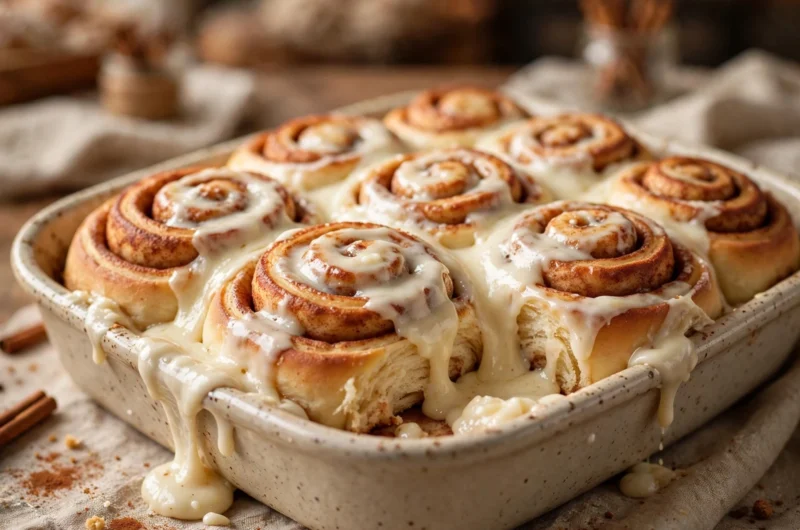
Cinnamon Rolls
Soft, fluffy homemade cinnamon rolls with a gooey brown-sugar-cinnamon filling and cream cheese frosting. An easy, bakery-style recipe you can make ahead.
12
rolls30
minutes22
minutes52
minutesIngredients
1 cup (240ml) warm milk (about 110°F)
2¼ tsp (1 packet) instant or active dry yeast
½ cup (100g) granulated sugar
⅓ cup (76g) butter, melted
2 large eggs
1 tsp salt
4 to 4½ cups (500–560g) all-purpose flour
½ cup (113g) butter, softened (filling)
1 cup (200g) packed brown sugar
2 tbsp ground cinnamon
4 oz (113g) cream cheese, softened
¼ cup (57g) butter, softened (frosting)
1 cup (120g) powdered sugar
1 tsp vanilla extract (alcohol-free if preferred)
Pinch of salt
Directions
- Warm the milk to about 110°F, stir in a spoonful of sugar and the yeast, and let foam 5 minutes (skip for instant yeast).
- Mix in the remaining sugar, melted butter, and eggs, then add the salt and flour gradually until a soft, slightly tacky dough forms.
- Knead 5–8 minutes until smooth and elastic.
- Cover and let rise in a warm spot 1–1.5 hours, until doubled.
- Roll into a 15×9-inch rectangle. Spread with softened butter and sprinkle with brown sugar and cinnamon.
- Roll up tightly from the long side and cut into 12 rolls.
- Arrange in a greased 9×13 dish, cover, and rise 30–45 minutes until puffy.
- Bake at 350°F (175°C) for 20–25 minutes, until golden and about 190°F in the center.
- Beat the frosting ingredients until smooth and spread over the warm rolls.
Notes
- Keep the dough soft and tacky for fluffy rolls; too much flour makes them dense.
- Use softened, not melted, butter in the filling so it doesn’t leak.
- Assemble the night before and refrigerate for a fresh-baked breakfast.