Cottage Cheese Egg Bites — The Best Fluffy, High-Protein, Make-Ahead Recipe
These cottage cheese egg bites are fluffy, creamy, and packed with protein, with soft, custardy centers and golden cheesy tops. You blend eggs with cottage cheese until smooth, stir in cheddar, spinach, and bell pepper, and bake the mixture in a regular muffin tin for about 22 minutes. They taste like the coffee-shop version, with no special equipment and a fraction of the cost, and they reheat beautifully all week.

| Prep time | 15 minutes |
| Cook time | 20 to 25 minutes |
| Total time | 40 minutes |
| Servings | 12 egg bites (4 servings of 3) |
| Difficulty | Easy |
| Cuisine | American |
| Key method | Blend eggs with cottage cheese until smooth, stir in the mix-ins, and bake in a greased muffin tin at 350°F (175°C) |
Blend 8 eggs with 1 cup of cottage cheese until completely smooth, then stir in cheddar, spinach, red pepper, and scallions. Fill 12 well-greased muffin cups about three-quarters full and bake at 350°F (175°C) for 20 to 25 minutes, until the tops are set and lightly golden. Rest for 5 minutes, then lift them out.
In This Post
Why You’ll Love These Cottage Cheese Egg Bites
- High in protein — about 24 grams in a serving of 3 bites, which keeps you full all morning.
- Silky, not rubbery — blended cottage cheese gives a creamy, custardy texture.
- No special equipment — a regular muffin tin and a blender are all you need.
- Made for meal prep — they keep for 4 days and freeze for up to 3 months.
- Easy to customize — swap in any cheese or vegetables you have on hand.
What Makes These Egg Bites Different
Many homemade egg bites come out dry, spongy, or watery. This recipe fixes all three. Blending the cottage cheese into the eggs makes the batter perfectly smooth, so the bites bake up creamy instead of curdy. Finely chopped vegetables go in raw but small, so they cook through without leaking water, and a moderate 350°F (175°C) oven sets the centers gently before the eggs turn tough.
Ingredients You’ll Need
For the egg mixture:
- 8 large eggs
- 1 cup (225 g) full-fat small-curd cottage cheese
- ½ teaspoon (3 g) salt
- ¼ teaspoon (0.5 g) black pepper
- ¼ teaspoon (1 g) garlic powder
For the mix-ins:
- ¾ cup (85 g) shredded sharp cheddar cheese
- ½ cup (75 g) finely diced red bell pepper
- 1 cup (30 g) packed baby spinach, finely chopped
- 2 scallions, thinly sliced (about ¼ cup / 25 g)
- 1 tablespoon (14 g) butter or nonstick cooking spray, for greasing the pan
Ingredient Notes
- Full-fat cottage cheese: It blends into a creamier batter than low-fat. Small-curd blends the smoothest. Check the label, since some brands contain gelatin or animal rennet; choose one made with microbial rennet and no gelatin if that matters to you.
- Sharp cheddar: Its strong flavor shows up even in a small amount. Shred it from a block, and choose a cheddar made with microbial rennet if you follow a halal diet.
- Finely chopped vegetables: Small pieces cook evenly and stay inside the bite. Large chunks release water and make the bites weep.
- Baby spinach: It wilts in the oven, so you don’t need to cook it first. Chop it small so it distributes evenly.
- Large eggs: The recipe is sized for large eggs. Smaller or jumbo eggs change how full the cups get.
Substitutions & Swaps
- Other cheeses: Use Swiss, pepper jack, mozzarella, or Gruyère in the same amount.
- Low-fat cottage cheese: It works, but the bites will be a little less creamy and can release more moisture.
- Other vegetables: Swap in diced mushrooms, zucchini, or broccoli florets, patted dry, in the same amounts.
- Dairy-free: This recipe depends on cottage cheese, so a dairy-free swap changes the texture and isn’t recommended.
- Fresh herbs: Stir in 2 tablespoons (8 g) of chopped chives or parsley for brightness.
Equipment You’ll Need
- 12-cup standard muffin tin, nonstick or well greased
- Blender or food processor
- Mixing bowl and rubber spatula
- Ladle or ¼-cup measuring cup, for filling
- Butter knife or small offset spatula, for releasing the bites
How to Make Cottage Cheese Egg Bites
Step 1 — Heat the Oven and Prep the Pan
Heat the oven to 350°F (175°C) with a rack in the center. Grease all 12 cups of a muffin tin generously with butter or nonstick spray, including the tops of the pan. Dice the pepper, chop the spinach, slice the scallions, and shred the cheese.

Step 2 — Blend the Eggs and Cottage Cheese
Add the eggs, cottage cheese, salt, pepper, and garlic powder to a blender. Blend on high for 30 seconds, until completely smooth with no visible curds. Scrape down the sides and pulse once more.

Step 3 — Stir in the Mix-Ins
Pour the batter into a bowl. Stir in the cheddar, red pepper, spinach, and scallions with a spatula until evenly mixed. Don’t blend the mix-ins, since you want them to stay in small, visible pieces.

Step 4 — Fill the Muffin Cups
Stir the batter once more, because the mix-ins sink, and ladle about ⅓ cup (80 ml) into each cup, filling them about three-quarters full. Leave room at the top, since they puff as they bake.

Step 5 — Bake Until Set
Bake for 20 to 25 minutes, until the tops are puffed, set, and lightly golden, and a toothpick inserted in the center comes out clean. Start checking at 20 minutes, since ovens vary. They puff up while baking and settle slightly as they cool.

Step 6 — Rest and Release
Let the egg bites rest in the pan for 5 minutes so they firm up. Run a butter knife around the edge of each one and lift it out. Serve warm.

Why Do You Blend Cottage Cheese Into Egg Bites?
You blend cottage cheese into the eggs so the curds break down into a smooth, creamy base. Unblended curds stay lumpy and bake into small, dry pockets. Blending spreads the cheese evenly through the eggs, adding moisture and protein and giving the finished bites a custard-like texture.
- Smoother texture: No visible curds, just a silky bite.
- More moisture: The cottage cheese keeps the eggs from drying out.
- Extra protein: A cup of cottage cheese adds about 25 grams for the whole batch.
- Lighter bites: Blending whips in a little air, so they puff and stay tender.
- Even flavor: The tangy, salty cheese flavors every bite, not just some.
Expert Tips for the Best Egg Bites
- Grease the pan generously. Eggs stick, so coat every cup and the pan top with butter or spray.
- Chop the vegetables small. Pieces about ¼ inch (6 mm) cook evenly and don’t weigh down the batter.
- Squeeze wet vegetables dry. If you use mushrooms, zucchini, or thawed frozen spinach, pat or squeeze them dry first.
- Stir the batter before pouring. The mix-ins sink to the bottom of the bowl.
- Don’t overbake. Pull them as soon as the centers are set, since extra minutes turn them rubbery.
- Use a nonstick metal tin. Silicone molds cook less evenly and need more time.
💡 Tip: For extra-tender bites, set the muffin tin inside a larger roasting pan and pour hot water around it so it comes halfway up the cups. The water bath cooks the eggs more gently, so plan on 5 minutes more baking and check that the centers are set.
The Secret to Creamy, Not Rubbery, Egg Bites
The secret is a smooth blended batter and pulling the bites the moment they set. Eggs turn rubbery when their proteins tighten too far, which happens fast once the centers are cooked. The blended cottage cheese adds moisture and protects the texture, but only if you take the pan out on time.
Check at 20 minutes: the tops should be puffed and set, with no wobble when you nudge the pan. Letting them rest for 5 minutes finishes the cooking gently with the leftover heat, so the centers stay soft and creamy instead of dry.
Delicious Variations & Add-Ins
Spinach and Feta Egg Bites
Replace the cheddar and red pepper with ½ cup (75 g) of feta, broken into small pieces, and 1 extra cup (30 g) of chopped spinach. Add ¼ teaspoon of dried oregano. Choose a feta made with microbial rennet if you follow a halal diet.
Southwest Egg Bites
Swap the cheddar for pepper jack, replace the spinach with ½ cup (65 g) of drained canned green chiles, and add ½ teaspoon of ground cumin. Serve with salsa on the side.
Mushroom and Swiss Egg Bites
Cook 1 cup (70 g) of finely chopped mushrooms in 1 teaspoon of oil over medium-high heat for 5 minutes, until the liquid evaporates, then cool. Use ¾ cup (85 g) of shredded Swiss cheese in place of the cheddar.
Sausage and Cheddar Egg Bites
Stir in ½ cup (75 g) of finely chopped, fully cooked halal chicken or beef sausage in place of the red pepper and spinach. This version is heartier and works well for a grab-and-go breakfast.
Sun-Dried Tomato and Mozzarella Egg Bites
Replace the cheddar with ¾ cup (85 g) of shredded mozzarella, and use 3 tablespoons (20 g) of chopped oil-packed sun-dried tomatoes with 2 tablespoons (8 g) of chopped fresh basil in place of the vegetables.
What to Serve With Egg Bites
- Fresh fruit — berries, orange slices, or melon add a sweet, juicy contrast.
- Toast or an English muffin — turn the bites into a quick breakfast sandwich.
- Roasted potatoes — crisp, golden potatoes make it a hearty brunch plate.
- Blueberry muffins — pair sweet and savory on a brunch table.
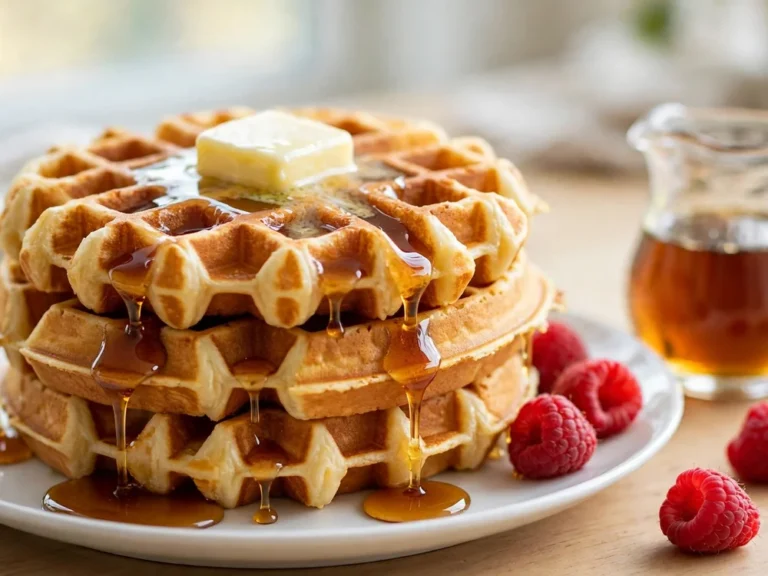
- Waffles — add them to a weekend breakfast spread.
How to Store Cottage Cheese Egg Bites
At Room Temperature
Don’t leave egg bites out for more than 2 hours. Refrigerate any leftovers promptly once they have cooled.
In the Refrigerator
Cool the bites completely, then store them in an airtight container in the refrigerator for up to 4 days. Place a paper towel on top to absorb any moisture. Reheat in the microwave for 30 to 45 seconds, until hot all the way through.
Freezing & Reheating
Freeze the cooled bites on a sheet pan for 1 hour, then transfer them to a freezer bag for up to 3 months. Reheat from frozen in the microwave for 60 to 90 seconds, flipping halfway, or thaw overnight in the refrigerator first. Make sure they are steaming hot in the center.
Make-Ahead Instructions
These are perfect for meal prep. Bake a batch on Sunday and eat them through the week, reheating as needed. You can also prep the vegetables and cheese up to 2 days ahead and keep them in separate containers in the refrigerator, then blend the eggs and bake fresh in the morning. Don’t blend the egg batter more than 1 day ahead, as it can turn watery.
Troubleshooting Common Problems
Why Are My Egg Bites Rubbery?
They were baked too long or at too high a heat. Check at 20 minutes and pull them as soon as the tops are set. A water bath under the tin also keeps the eggs tender.
Why Are My Egg Bites Watery or Weeping?
Wet vegetables or too much cottage cheese liquid released water as the eggs baked. Pat vegetables dry, chop them small, drain any liquid pooled on the cottage cheese, and don’t overbake.
Why Are My Egg Bites Sticking to the Pan?
The pan wasn’t greased enough. Grease every cup and the top of the pan generously, let the bites rest for 5 minutes, and run a knife around each one before lifting.
Why Did My Egg Bites Sink After Baking?
Some deflating is normal, since the air in the batter escapes as they cool. A big collapse means they were underbaked or the cups were overfilled. Fill only three-quarters full and bake until the centers are set.
Nutrition Information
Per serving (3 egg bites), estimated:
- Calories: ~280
- Fat: ~19 g
- Carbohydrates: ~4 g
- Sugar: ~2 g
- Protein: ~24 g
- Sodium: ~620 mg
Values are an estimate and will vary with the brands of cottage cheese and cheddar you use.
Hash Brown Cottage Cheese Egg Bites for Quick Breakfasts
Here, shredded hash browns are pressed into the muffin cups and baked until crisp, creating a golden, crunchy potato shell for the creamy egg filling. It turns the bites into a complete breakfast with a built-in side, and the crisp edges give a great contrast to the soft, custardy centers. Using frozen hash browns keeps it quick, since there is no peeling or grating.
Makes about 12 egg bites.
For the hash brown cups:
- 3 cups (340 g) frozen shredded hash browns, fully thawed
- 2 tablespoons (28 g) butter, melted, plus more for greasing the pan
- ¼ teaspoon (1.5 g) salt
- ¼ teaspoon (1 g) garlic powder
For the egg filling:
- 6 large eggs
- ¾ cup (170 g) full-fat small-curd cottage cheese
- ½ cup (55 g) shredded sharp cheddar cheese
- 2 scallions, thinly sliced (about ¼ cup / 25 g)
- ½ teaspoon (3 g) salt
- ¼ teaspoon (0.5 g) black pepper
Instructions:
- Heat the oven. Heat the oven to 400°F (200°C) with a rack in the center. Grease all 12 cups of a muffin tin generously with butter.
- Dry the hash browns. Wrap the thawed hash browns in a clean kitchen towel and squeeze out as much liquid as you can. Dry potatoes are the key to a crisp shell.
- Season the potatoes. In a bowl, toss the hash browns with the melted butter, ¼ teaspoon salt, and garlic powder until evenly coated.
- Press the cups. Divide the potatoes among the 12 cups, about ¼ cup each, and press firmly up the sides and across the bottom to form a nest with a hollow center.
- Bake the shells. Bake for 15 minutes, until the edges are lightly golden and the potatoes are set. Reduce the oven to 350°F (175°C).
- Blend the filling. While the shells bake, blend the eggs, cottage cheese, ½ teaspoon salt, and pepper on high for 30 seconds, until completely smooth. Stir in the cheddar and scallions.
- Fill the cups. Spoon about 3 tablespoons (45 ml) of the egg mixture into each hot hash brown cup, filling them about three-quarters full.
- Bake until set. Bake at 350°F (175°C) for 15 to 18 minutes, until the centers are puffed and set and the tops are lightly golden. Rest for 5 minutes, run a knife around each one, and lift out.
Notes: Store the cooled bites in an airtight container in the refrigerator for up to 4 days, or freeze them for up to 2 months, then reheat in a 350°F (175°C) oven for 10 to 12 minutes to bring back the crisp edges. You can also bake the empty hash brown shells a day ahead and fill and bake them in the morning. If the shells turn out soft or stick to the pan, the potatoes were too wet or the pan was not greased enough, so squeeze the hash browns very dry and butter every cup well.
Frequently Asked Questions
Why put cottage cheese in egg bites?
Blended cottage cheese makes the egg bites creamy and custardy instead of dry, and adds protein and moisture.
Do I have to blend the cottage cheese?
Yes, for the smoothest texture. Blending removes the curds so the bites bake up silky. You can stir it in unblended, but the bites will be lumpier.
What temperature and how long do egg bites bake?
Bake at 350°F (175°C) for 20 to 25 minutes, until the tops are set and lightly golden.
How long do cottage cheese egg bites last in the fridge?
They keep in an airtight container for up to 4 days.
Can you freeze cottage cheese egg bites?
Yes, for up to 3 months. Freeze them on a tray first, then store in a freezer bag, and reheat in the microwave until hot in the center.
How do you reheat egg bites?
Microwave refrigerated bites for 30 to 45 seconds, or frozen bites for 60 to 90 seconds, until steaming hot in the center.
Can I bake them in a silicone mold?
Yes, but silicone cooks less evenly and the bites usually need a few extra minutes. A nonstick metal muffin tin gives the best results.
Can I make mini egg bites?
Yes. Use a mini muffin tin, fill the cups three-quarters full, and bake for 15 to 18 minutes at 350°F (175°C), until set.
Can I use low-fat cottage cheese?
Yes, but the bites will be a little less creamy. Full-fat gives the best texture.
Can I add other vegetables?
Yes. Use finely diced mushrooms, zucchini, or broccoli, and pat them dry first so they don’t make the bites watery.
More Recipes You’ll Love
Cottage Cheese Egg Bites — Recipe Card

Cottage Cheese Egg Bites
Fluffy, creamy, high-protein egg bites made by blending eggs with cottage cheese, stirring in cheddar and vegetables, and baking in a muffin tin.
4
servings30
minutes40
minutes1
hour10
minutesIngredients
EGG MIXTURE: 8 large eggs
1 cup (225 g) full-fat small-curd cottage cheese
½ teaspoon (3 g) salt
¼ teaspoon (0.5 g) black pepper
¼ teaspoon (1 g) garlic powder
MIX-INS: ¾ cup (85 g) shredded sharp cheddar cheese
½ cup (75 g) finely diced red bell pepper
1 cup (30 g) packed baby spinach, finely chopped
2 scallions, thinly sliced (about ¼ cup / 25 g)
1 tablespoon (14 g) butter or nonstick cooking spray, for greasing
Directions
- Heat the oven to 350°F (175°C) and grease all 12 cups of a muffin tin generously. Dice the pepper, chop the spinach, slice the scallions, and shred the cheese.
- Blend the eggs, cottage cheese, salt, pepper, and garlic powder on high for 30 seconds until completely smooth.
- Pour the batter into a bowl and stir in the cheddar, red pepper, spinach, and scallions.
- Stir the batter again and ladle about ⅓ cup (80 ml) into each cup, filling them three-quarters full.
- Bake for 20 to 25 minutes, until the tops are puffed, set, and lightly golden and a toothpick comes out clean.
- Rest in the pan for 5 minutes, run a knife around each bite, lift out, and serve warm.
Notes
- Blend the cottage cheese into the eggs for the creamiest texture and grease the pan generously so the bites release. Pull them as soon as they are set to avoid rubbery eggs. Refrigerate in an airtight container up to 4 days and reheat in the microwave 30 to 45 seconds. Freeze up to 3 months; reheat from frozen for 60 to 90 seconds. Nutrition is an estimate: about 280 calories per serving of 3 bites.